
Day Trips vs. Extended Stays: How to Plan Your Great Ocean Road Tour
The Great Ocean Road is a world-famous drive in Australia known for its incredible views, appealing history, and beautiful places. It is quite often the case that we will either take a half-day Great Ocean Road tour or will be through with exploring the region for a longer time. This guide is composed so that you are prepared to try the famous road by the time you finish reading it. Beginning with legendary surf beaches and including picturesque coastal towns – this guide will tell you how to spend your time in the best manner possible.
When to Visit
When it comes to planning a the Great Ocean Road trip, deciding when to visit can significantly affect the experience. As for the peak tourist season, it is considered the most popular from December till February due to nice weather and festivals. Despite all this, accommodation prices are also high due to the influx of visitors. To avoid the crowds, you may wish to try out spring or autumn seasons. These months offer conducive weather conditions, low tourist traffic, and good lodging prices. In winter, which lasts from June to August, it is cold and rainy, but one can prepare for the sheer beauty of raging sea storms and the peace of off-season tourism.
Planning Your Visit
Proper planning will greatly improve your journey through the Great Ocean Road. Take into consideration the following when planning for your trip.
- Travelling Options: Self-driving or taking a guided trip beat hotel stays hands down; create an itinerary with maps and designated places and times to stop. The winding coastal route is quite scenic and offers several stopping points along the way, so planning for an empty schedule will not be a waste of time.
- Accommodation: Be it high-end resorts or simply bed and breakfasts, there is no shortage of places to stay along the Great Ocean Road. It is usually very hard to find accommodation, especially around the high seasons, without pre-booking it, and therefore, doing it guarantees that your accommodation choice will not be made judiciously.
- Packing Essentials: Be prepared for extremes in weather conditions, as the weather near the coast tends to be erratic. Items to be worn should include comfortable shoes, a raincoat and sunscreen. If you are planning to go hiking or through the rainforests, remember to pack your trekking clothes.
What is the Best Way to Travel the Great Ocean Road?
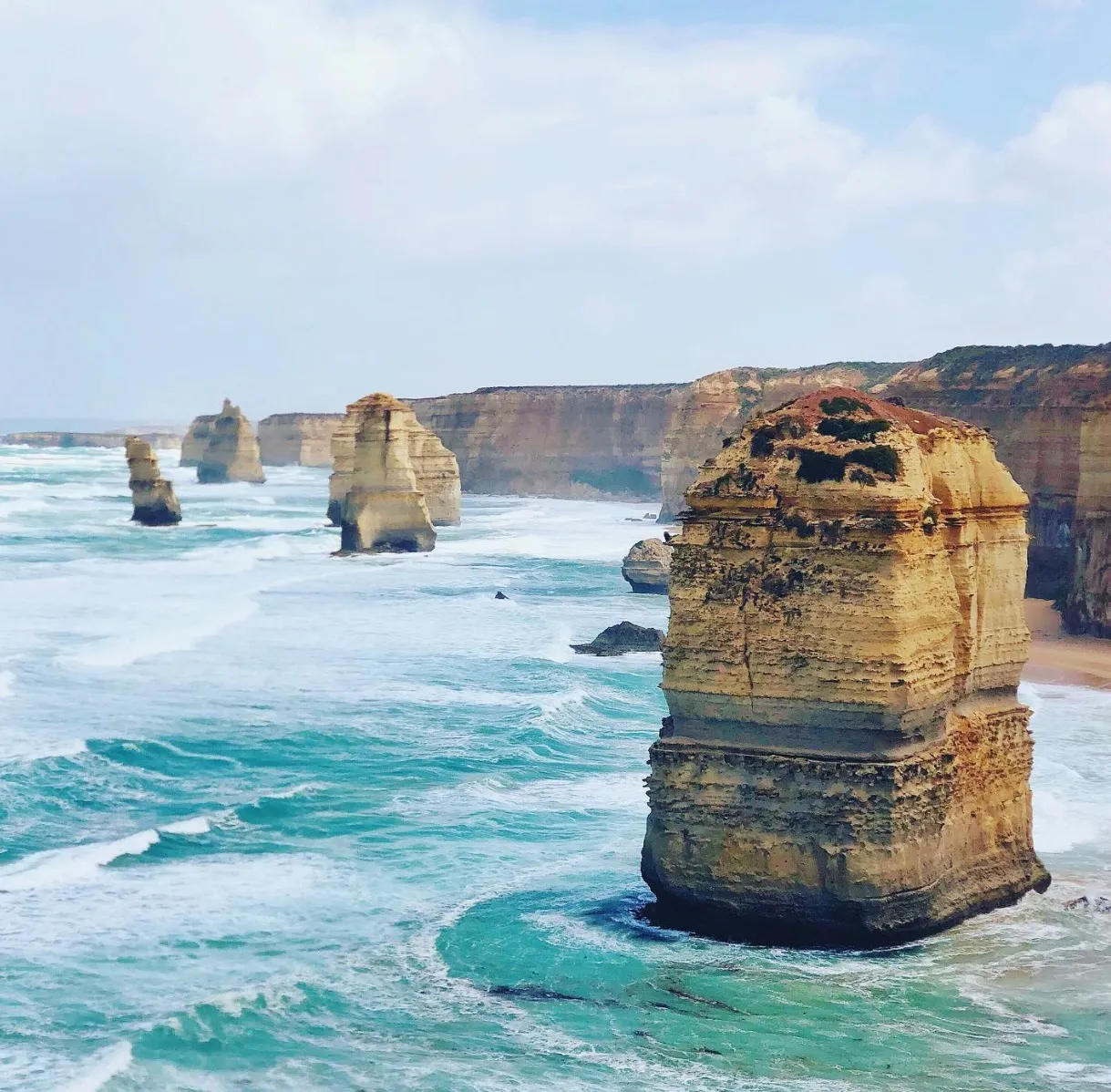
There is no universally accepted best method to travel the Great Ocean Road. You can easily take to the wheel yourself if you love to drive and prefer to do things at your own pace. Much to the delight of many travellers, the Great Ocean Road is scenic, and there are opportunities for such things as short stops and quick pictures. Some of you may find it easier to go and book a guided tour. Weigh all of the above options because it ultimately depends on your liking and how much time you have.
Great Ocean Road Day Tour: Short and Effective
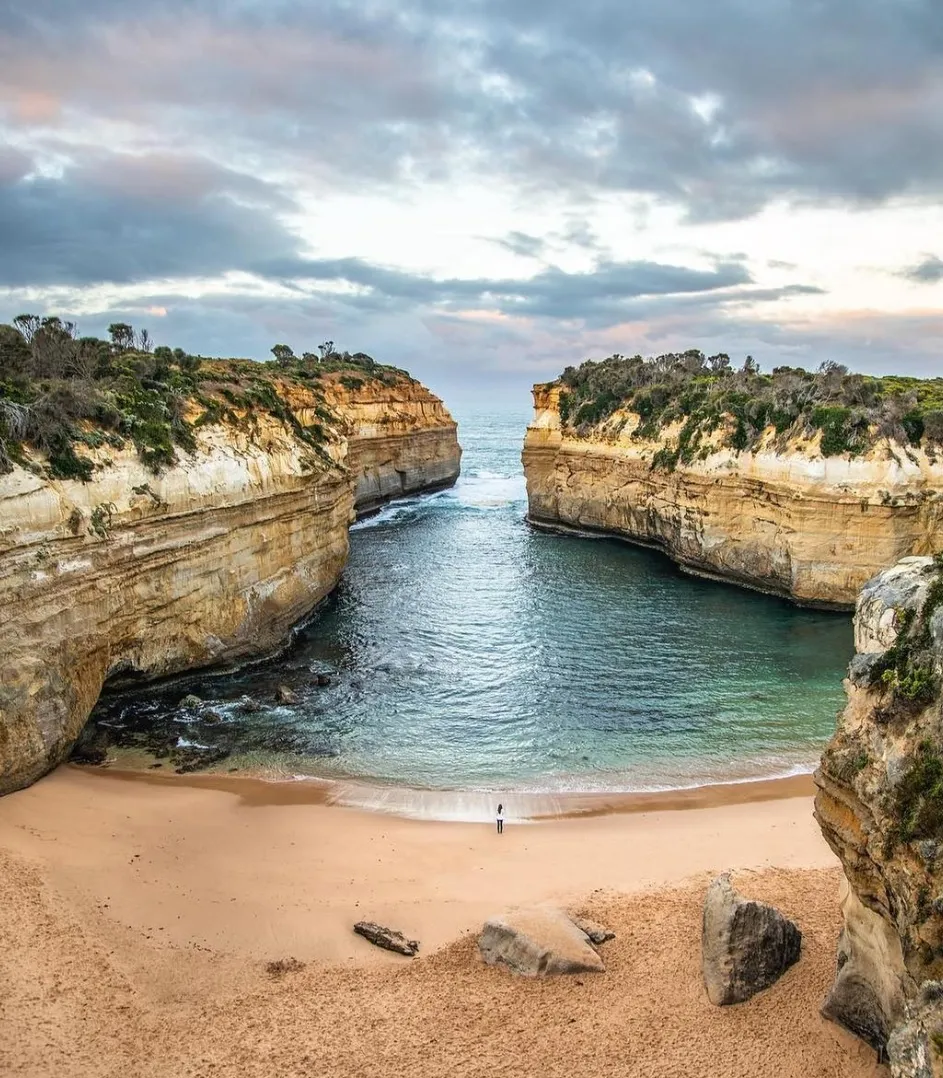
Day trips strike a balance between exploration and time limitations thus making it possible to have a memorable trip in a day. Day trips are excellent for those who do not have several days at their disposal and would like to visit the major sections of the Great Ocean Road such as The Twelve Apostles and Loch Ard Gorge, among others. You will be able to visit the major sights in a day, but realize that you will not get close to places that are off the beaten track.
Extended Stays
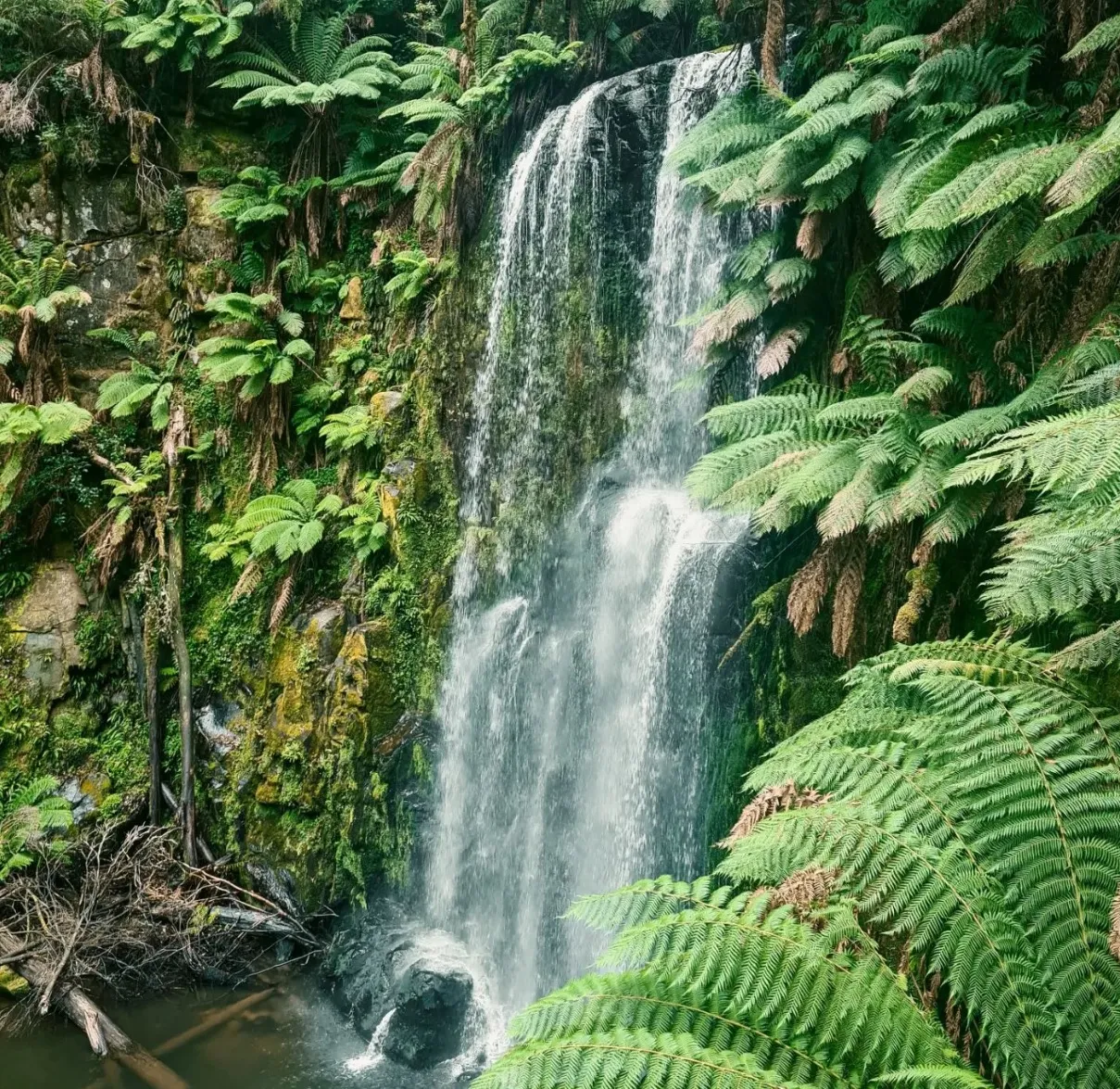
With an extended stay, one has the privilege to enjoy the beauty of the Great Ocean Road in its totality. More time allows you to engage in sightseeing and go to many natural wonders like the lush rainforest and Otway National Park at a more relaxed pace. Longer time spans also provide opportunities for more in-depth studies of smaller towns and fewer visited places such as Beech Forrest and the Cape Otway as well as its lighthouse.
Great Ocean Road Trip Itinerary
No plans at all? Don’t worry; take this opportunity to blow away the dust off your itineraries and explore! Whatever you choose, what you can do largely depends on your schedule. Below is what the normal itinerary would look like for each option.
Day Trip Itinerary
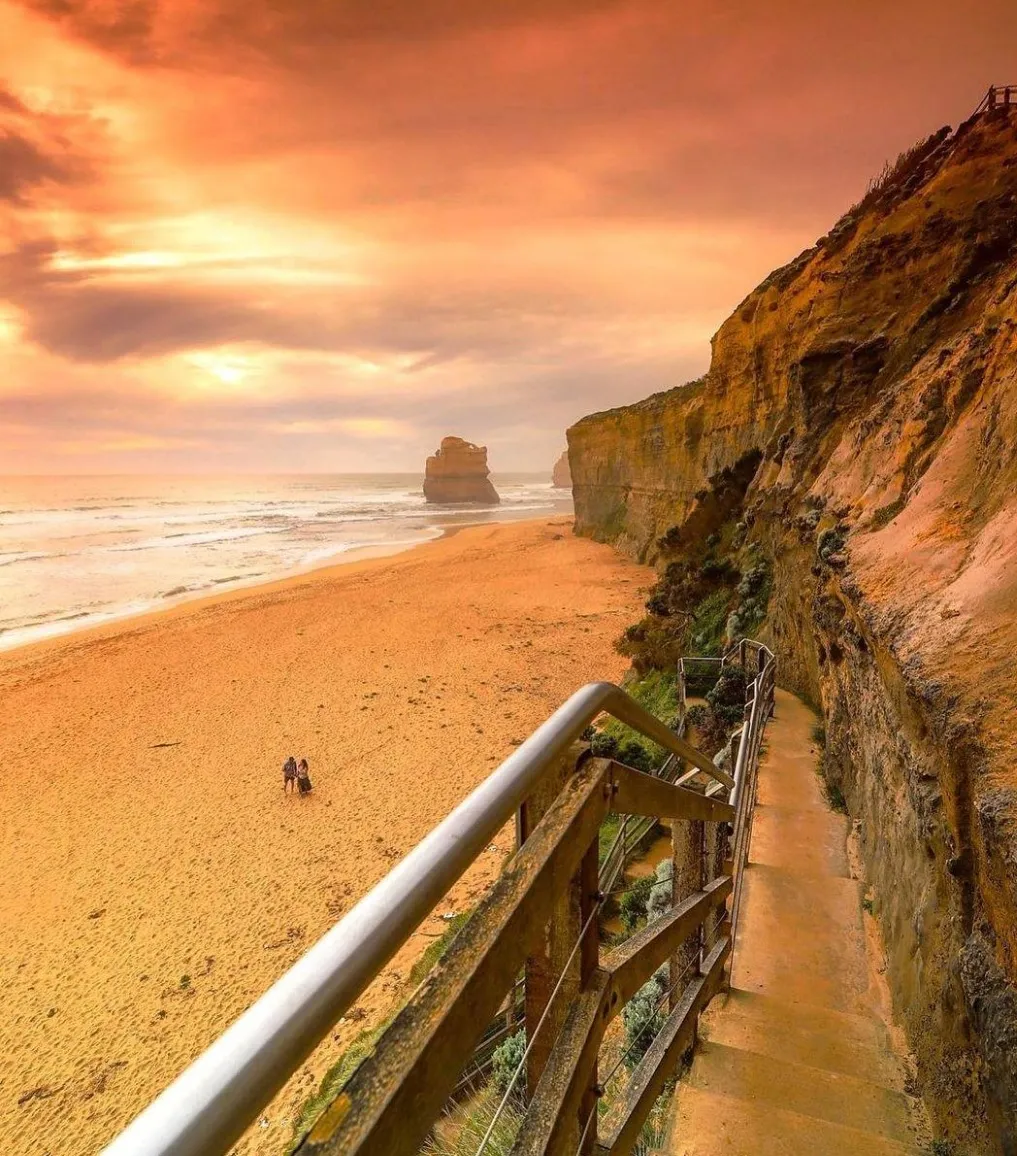
- Morning: Waking up early is a good way to get out of Melbourne early as the time in your day may be maximized. Leave the city and get on a coastal road. A stop at Torquay, known for its world-class surf beaches and very lovely town, would be perfect for breakfast and an easy walk on Torquay Beach.
- Mid-Morning: Bells Beach will be next, famous with surfers because of the best beaches and picturesque coastline. In the vicinity, you will go to Point Addis Marine National Park, which is also a breathtaking place with abundant rock and cliffs.
- Noon: Arrive at Aireys Inlet, and you need to visit The Split Point Lighthouse, which is quite famous.
- Afternoon: Proceed further to Apollo Bay, which would be good for lunch and a view. The sunny town located by the seashore has beautiful beaches and a beachy feel. The next drive will be towards Port Campbell National Park, which will provide an opportunity to view the well-known landmarks of The Twelve Apostles, which are outcrops of limestone extending from the Southern Ocean.
- Late Afternoon: Stop by Loch Ard Gorge and adjoining Gibson Steps to look out at the picturesque views of the Shipwreck Coast and Water Dog Cliffs. If time permits, stop briefly at the picturesque town of Port Fairy on return.
Extended Stay Itinerary

- Day 1: Follow the day tour plan stated above, but do not come back the next day upon finishing the tour; instead, spend a few nights at the same locations in order to appreciate the nice landscapes.
- Day 2: Head to Cape Otway to see the rain forest with its greens and native animals. At the Cape Otway Lightstation, take in stunning views from all angles at the 3600 observation area. In the afternoon, go to Otway Fly Treetop Adventures to see the rainforest like you have never seen it before.
- Day 3: Explore Beech Forest, which is located a bit further inland, and enjoy the green hills and temperate rainforest. Hike Triplet Falls and relish a stroll through the rich greenery of towering trees and thunderous waters. Stay at one of the lovely hotels in the region.
- Day 4: Go deeper into the Otway National Park, including Fairhaven Beach and lookouts at Cape Patton. Johanna Beach is another wonderful site; the centre of a national park with virgin blue ocean and wild beaches.
- Day 5: Go to the Tower Hill Wildlife Reserve, where you can view wild koalas and other native animals in their natural habitat. Enjoy the countryside’s beautiful views on the way back and make a few quick picture stops or a coffee break.
Great Ocean Road Accommodation
Regarding the accommodation options on the Great Ocean Road, they range from five-star hotels to hostels. If you would like to stay by the beach or you would rather go for a forest cabin, you are in for a treat as there are many options available. Important lodging regions include Torquay, Apollo Bay, and Port Campbell, which are all located along the Great Ocean Road and add various services to your stay. It is essential to make reservations during the high season for accommodation to avoid disappointments and to get lower prices.
Attractions and Landmarks
The Great Ocean Road surely does pose places and concerns of natural and historical attractions.
- Torquay: Popular for its well-known surf beaches and from where the Great Ocean Road begins. This is a good point to start your journey.
- Bells Beach: this is a surfing resort where amazing ocean views are seen along with sandy beaches.
- Aireys Inlet: The Split Point Lighthouse sits within its confines, while scenic walks along the coast are a superb distraction.
- Port Campbell National Park: Landform features include the Twelve Apostles, Loch Ard Gorge, and Gibson Steps, all of which are stunning cliff formations in Down Under.
- Apollo Bay: A pretty seaside town with lovely beaches and a good atmosphere.
- Beech Forest: Wander through dense tropical forests and see ancient trees & waterfalls like Triplet Falls.
- Cape Otway: Very famous for its lighthouse and rainforest around, offering not only spectacular views but also a sight for animals.
- Port Fairy: It’s a lovely little village with big historical significance.
Conclusion
There’s no correct answer when it comes to choosing whether to go on a day trip or stay longer along the Great Ocean Road since it depends on your available time, interests, and even your travel goals.
Whether you would rather go for a quick hike exploring the major attractions or a detailed one to savour the finest surroundings, the Great Ocean Road guarantees a memorable journey through one of the most picturesque and historically vibrant regions of Australia. Measure your itinerary against your expectations, make the necessary reservations, and get ready for a fantastic holiday filled with beautiful coastal views, pretty little towns, and natural beauties.